

Meet the Leadership Team
-
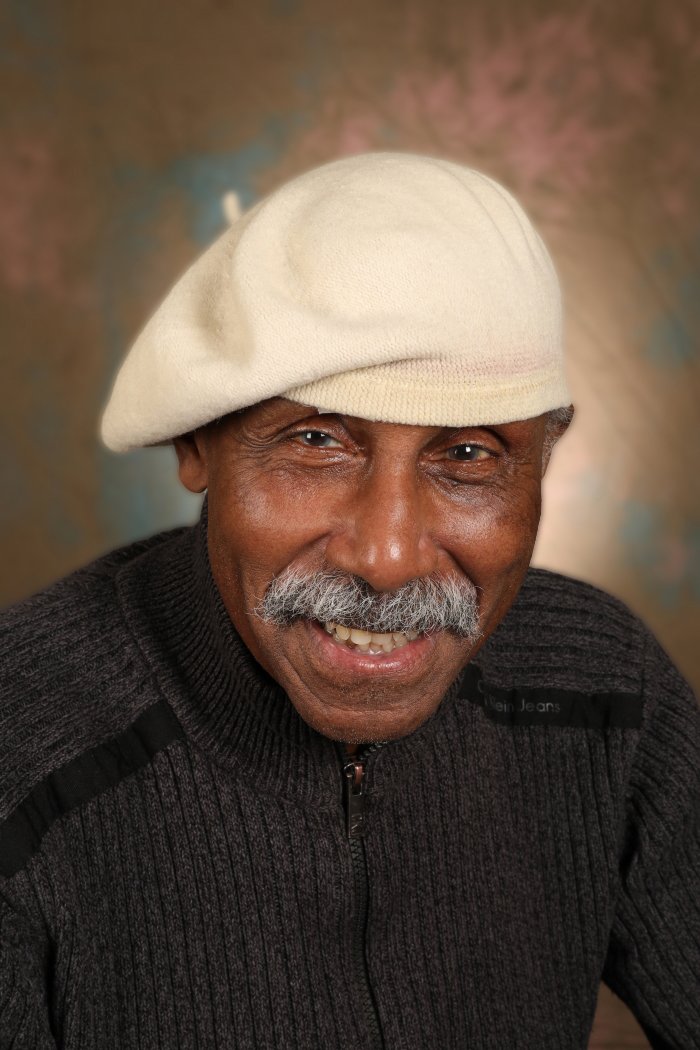
Adger Cowans
C0-FOUNDER + PRESIDENT
A founding visionary since 1963, leading the organization’s evolution by anchoring our legacy in a bold, generational future. -
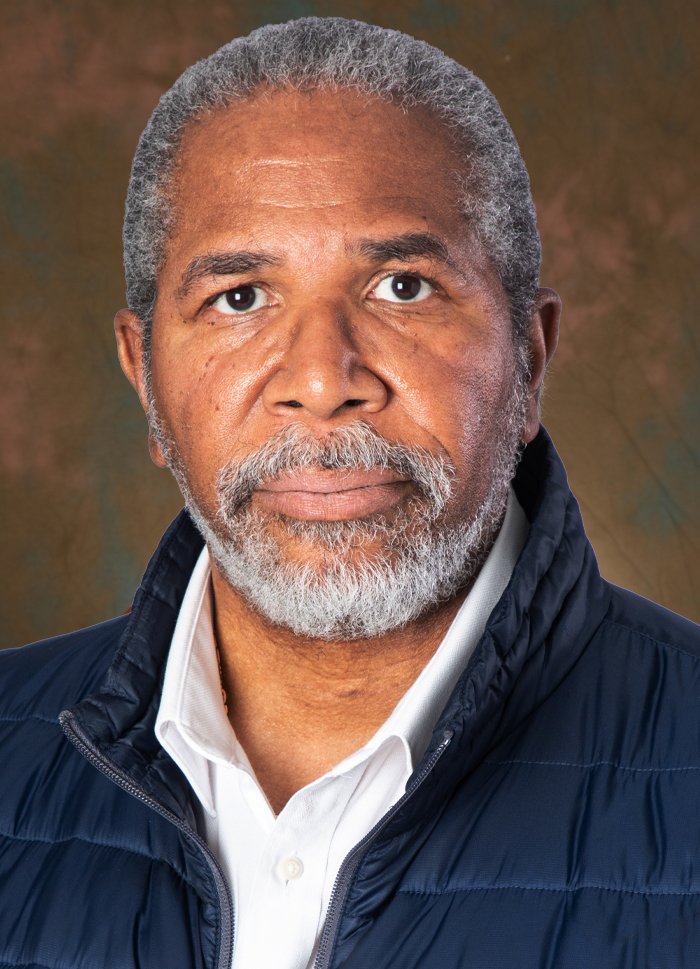
Ronald Herard
TREASURER
A dedicated steward of resources, ensuring fiscal transparency and directing support toward photographers and their long-term work.
-

Eden Cowans
TRUSTEE
A strategic leader championing the partnerships that amplify and extend our mission into the digital future. -
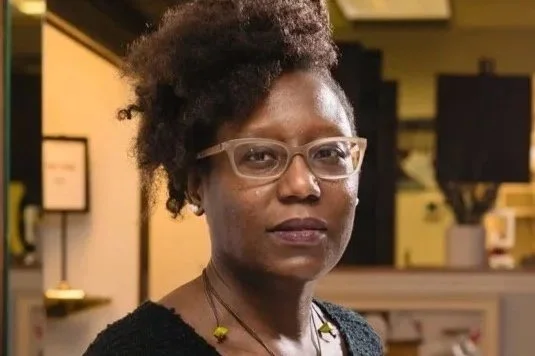
Edna Epelu
EXECUTIVE DIRECTOR
A catalyst for change, strengthening governance, sharpening vision, and architecting the systems that drive organizational renewal. -

Tara Ali-Khan
COMMUNICATIONS LEAD
A designer and strategist dedicated to amplifying the collective voice and bringing visibility to our global legacy.
Big Ideas, Real Impact: 2026 - 2028
Our work has just begun. We are currently implementing a robust framework of governance, fiduciary oversight, and international systems to ensure the long-term sustainability of our mission. By modernizing our infrastructure, we are maximizing our impact for the next generation of visual storytellers.
Q2 Roadmap
Strategic Framework: Finalizing our 2026–2028 operational standards.
Global Programming: Launching our inaugural Virtual Photography Competition.
Institutional Alliances: Securing strategic partnerships for 2027.
We are focused, organized, and building for the future.
Connect with us: To discuss partnerships or institutional alignment, please contact our leadership at Business@Kamoinge.com
The evolution of kamoinge
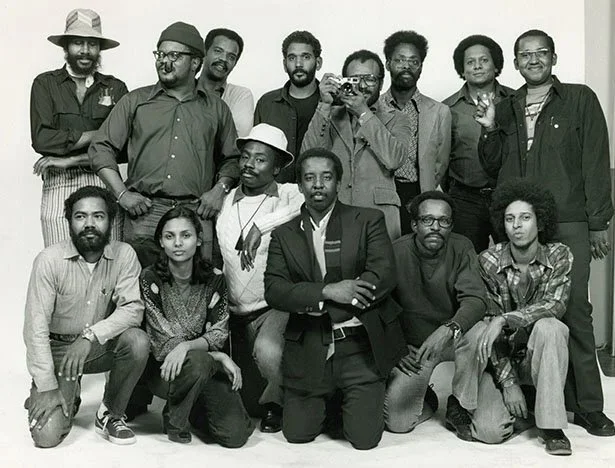
Front from left: Herman Howard, Ming Smith, Jimmy Mannas, Louis Draper, Calvin Wilson, Anthony Barboza; Back from left: Adger Cowans, Ray Francis, Herb Randall, Danny Dawson, Beuford Smith, Herb Robinson, Al Fennar, Shawn Walker; credit: Anthony Barboza, 1973.
1963: The Genesis of Collective Power
Kamoinge emerged in 1963 during a pivotal moment in American history. Two groups of New York City-based African American photographers united in a spirit of friendship, seeking artistic equality and the empowerment of the Black lens. They chose the name Kamoinge - derived from the Gikuyu language of Kenya, meaning “a group of people acting together” - to reflect a radical commitment to self-representation.
At its core, Kamoinge was founded to reclaim the narrative. In an era where Black communities were often negatively portrayed in media and popular culture, these photographers used the camera as an independent art form to depict their world as they truly saw and experienced it.
Philosophy and Aesthetic: The Frederick Douglass Legacy
Our institutional philosophy is rooted in the rich history of Black visual culture and the legacy of Frederick Douglass: statesman, abolitionist, and the most photographed person of the 19th century. Douglass understood photography’s power for individual uplift and social reform; Kamoinge carries that torch into the modern era.
The Kamoinge aesthetic is famously improvisational, rooted in the shared language of Jazz. The components of timing, technical expertise, critique, and intuition are used to nurture a community defined by excellence and resistance. Influenced by masters such as Roy DeCarava and Gordon Parks, Kamoinge’s work bridges the gap between fine art, photojournalism, and commercial mastery.
The Institutional Bridge: 1997–Today
In 1997, Kamoinge formalised its dedication to the community by becoming a registered 501(c)(3) charity. What began as a revolutionary collective has matured into a vital institution. Today, our tradition of mentoring young photographers has evolved into a strategic pillar of digital scholarship and academic partnership.
We are currently architecting the next chapter of this journey, ensuring that the spirit of "acting together" remains the driving force behind our global archives, exhibitions, and educational initiatives.
“It is our endeavor to produce significant visual images of our time. In the area of human relationships, political and social interactions and the spiritual world of pure imagery, the needs are the same; that being the establishment of contact with self is the key, the sources point from which all message flow. We speak of our lives as only we can.”